

Developing as a Professional Educator
Professional goals beyond induction and the reasons they are needed:
Beyond induction, I have identified two primary professional goals that will guide my continued growth as an educator.
The first goal is to strengthen my use of data-driven instruction and assessment practices in order to more effectively monitor student progress, differentiate instruction, and increase student ownership of learning. According to my CSTP self-assessment, I have made solid progress in using assessments and engaging students in learning; however, I want to move beyond applying strategies toward a more integrated and systematic approach. Specifically, I want to improve how I design assessments that align tightly with learning objectives, analyze multiple sources of student data, and use that data to make timely instructional adjustments. I am also interested in expanding opportunities for students to engage in self-assessment, goal setting, and reflection so they can better understand their own growth and take a more active role in their learning process. I identified this as an area of focus because effective use of data is essential for ensuring equitable outcomes and meeting the diverse needs of all students.
The second goal is to develop stronger organizational systems and time management practices to improve efficiency, consistency, and instructional effectiveness. While my CSTP results indicate strength in managing classroom environments and resources, I recognize that my personal organization, particularly with lesson planning, materials management, and long-term pacing, is an area that
I have identified organization as a priority because it directly impacts my ability to implement high-quality instruction, respond to student needs in real time, and maintain a productive classroom environment. Strengthening my organizational skills will not only improve my own effectiveness but also provide students with clearer expectations, smoother transitions, and a more structured learning experience. By focusing on both data-driven instruction and organization, I aim to become a more efficient, intentional, and impactful educator.
Actions I will take and how I will measure goal attainment:
To achieve my goals of strengthening data-driven instruction and improving organizational systems, I will take intentional and measurable steps in both areas.
To improve my use of data-driven instruction, I will consistently design and
To improve my organizational systems and time management, I will implement consistent routines for lesson planning, material preparation, and tracking student work. This includes developing a weekly planning structure, organizing digital and physical resources in a clear and accessible way, and creating systems to monitor assignment completion and student progress. In addition, I will actively work to strengthen my personal organization by enrolling in courses or professional learning focused on time management and organizational strategies. I will apply these strategies in my personal life, such as improving daily routines, task management, and long-term planning, with the goal of building habits that transfer into my professional responsibilities. I will also establish consistent classroom procedures that minimize downtime and maximize instructional time, including clear expectations for transitions, material use, and task completion.
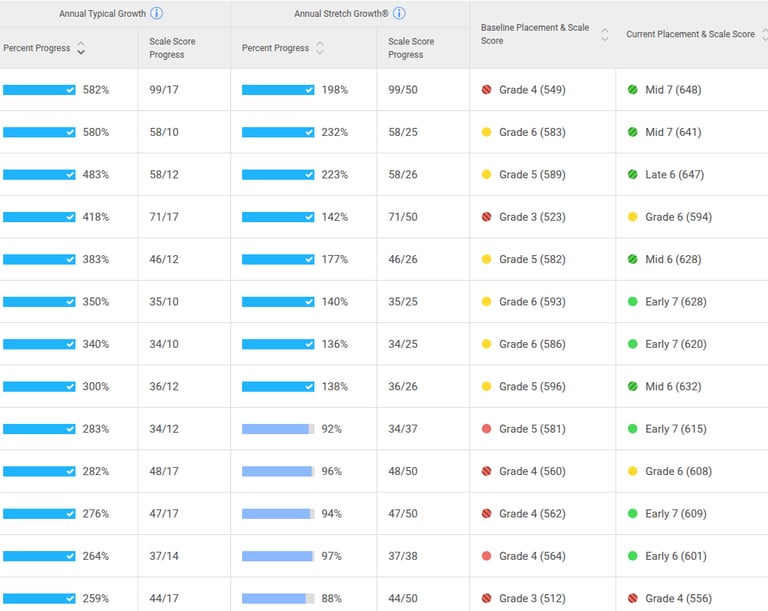
I will measure my progress toward these goals in several ways. For data-driven instruction, I will track improvements in student performance on assessments, monitor student ability to articulate their learning goals, and reflect on how effectively I am using data to adjust instruction. For organization, I will monitor reductions in lost instructional time, increased efficiency in lesson delivery, and my ability to consistently implement planned lessons without last-minute adjustments due to disorganization. I will also reflect on my consistency in maintaining both personal and professional organizational systems and seek feedback from colleagues to evaluate the effectiveness of these changes.
By taking these actions and consistently reflecting on my progress, I will continue to grow as a more intentional, organized, and data-driven educator.
Actions I will take to remain a connected educator throughout my career:
I plan to continue building strong professional relationships with colleagues and actively participating in collaborative learning communities. Engaging in regular discussions about instructional strategies, student needs, and best practices allows educators to learn from one another and continuously improve their teaching.
Finally, maintaining strong partnerships with families and the broader community will remain an important part of my work. Building trust and open communication with families helps create a supportive environment where students feel encouraged to succeed both inside and outside the classroom. By staying connected to colleagues, continuing my education, and engaging with the community, I will ensure that my teaching remains relevant, collaborative, and responsive to student needs.
Actions I will take to remain passionate about students, teaching, and learning:
Sustaining energy as an educator requires intentionally balancing professional responsibilities with personal well-being. One strategy I have found helpful is setting boundaries that allow time for reflection, rest, and personal interests outside of work. Engaging in activities that help me recharge ensures that I can bring energy and enthusiasm into the classroom each day.
and curiosity reinforces my commitment to the profession.
Advice for new teachers:
My advice to new teachers is to give yourself grace. Teaching is a complex and demanding profession, and it takes time to develop your skills and confidence. You will not have everything figured out in your first year, and that is okay. And honestly, if you feel like you have everything figured out even five years in, you might want to take a step back and reflect, because teaching is a profession where there is always more to learn.
may forget specific lessons, assignments, or even what you said, they will always remember how you made them feel. Your classroom environment, your relationships, and the way you treat your students will have a lasting impact. Your teaching does not need to be perfect on day one, but if you create a space where students feel respected, supported, and valued, you are already doing meaningful and important work.
still needs intentional improvement. At times, a lack of organization can lead to unnecessary stress, inefficiencies, or lost instructional time. My goal is to create and consistently maintain structured systems for planning, organizing instructional materials, tracking student work, and managing daily and long-term responsibilities. This includes refining routines for lesson preparation, improving how I organize both physical and digital resources, and developing systems that make it easier to access and adjust materials as needed.
I also plan to stay connected by continuing my own education and pursuing post-graduate degrees. Advancing my education will allow me to deepen my knowledge of pedagogy, stay current with research-based practices, and continue growing as an educator. In addition, I will participate in professional development opportunities and remain open to new ideas and perspectives that can enhance my teaching practice. Additionally, I can stay connected by attending professional development opportunities, participating in professional organizations, and continuing to reflect on my own practice. Remaining open to new ideas and perspectives helps ensure that my teaching evolves alongside changes in education.
implement formative and summative assessments that are closely aligned to learning objectives. I will analyze multiple sources of student data, including classwork, assessments, diagnostic and CAASPP data, and student reflections, to identify trends in understanding and areas of need. Based on this data, I will adjust instruction by reteaching concepts, providing targeted support, and differentiating learning experiences. I will also incorporate structured opportunities for students to engage in self-assessment and goal setting, allowing them to track their own progress and reflect on their growth. Additionally, I will collaborate with colleagues to review student data and share effective instructional strategies.
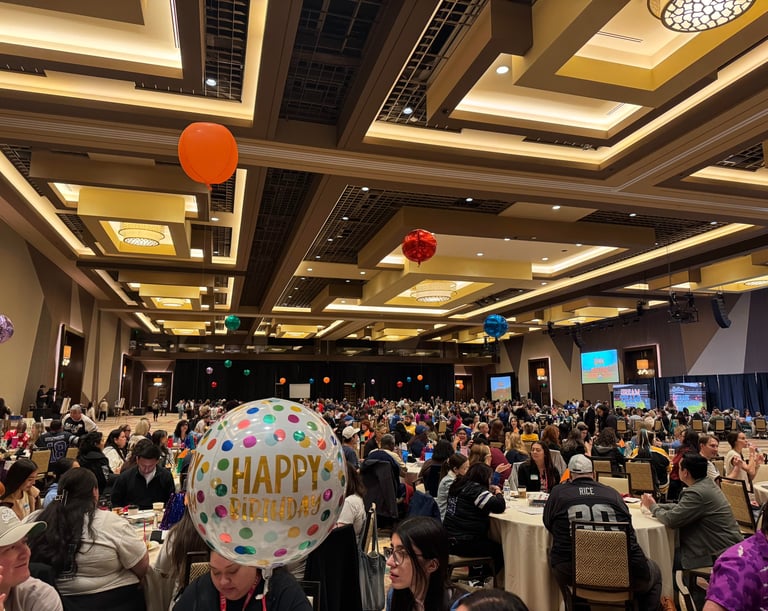


Professionally, I sustain my passion by continuing to explore creative and engaging learning experiences for students. Designing projects, integrating student interests, and creating opportunities for authentic learning help keep teaching exciting for both my students and myself. By creating projects that the kid in me would genuinely find fun and engaging, I am able to keep the classroom experience alive, meaningful, and interesting, which in turn increases student engagement and enthusiasm.
I also find that celebrating student growth and maintaining strong relationships with students reminds me of the meaningful impact educators can have. Seeing students develop confidence, skills,
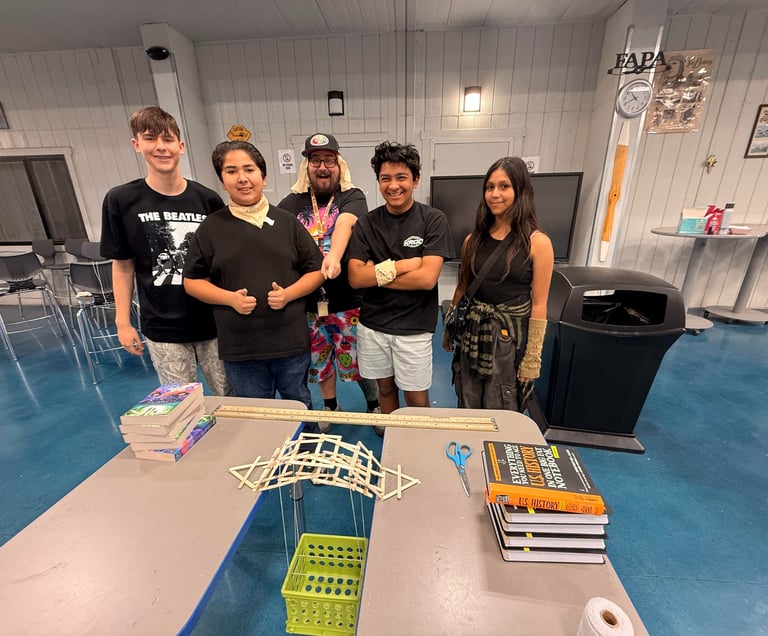
It is also important to set firm boundaries for yourself. Teaching can easily become a job where you work all hours of the night if you allow it. Establishing a healthy work-life balance early on will help you sustain your energy, avoid burnout, and remain effective in the classroom over time.
At the same time, continue to improve your craft through reflection, proactive planning, collaboration with colleagues, and patience with yourself. Seek feedback, try new strategies, and be open to growth, but do not expect perfection right away.
Most importantly, remember that while students