

Contributing to the Profession
Essential Resources for New Teachers:
Throughout my induction experience, I have identified several resources that have had a significant impact on my growth as an educator. The following are three resources I believe every new middle school teacher should utilize to support classroom management, instructional effectiveness, and professional development.
1. The First Days of School by Harry & Rosemary Wong
Type: Book
Focus: Classroom management, procedures, and expectations
The First Days of School by Harry & Rosemary Wong is one of the most impactful resources I found as I prepared for my first year of teaching, particularly when it comes to establishing strong classroom management systems. The book
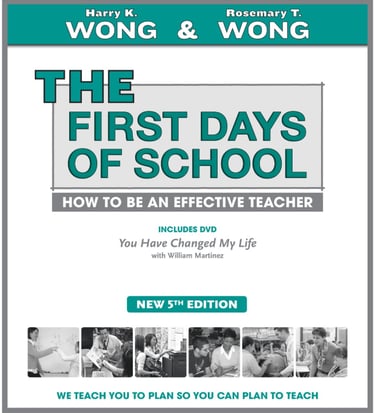
emphasizes the importance of procedures, consistency, and clear expectations from the very beginning of the school year.
In my classroom, I applied Wong’s strategies by intentionally teaching and practicing routines with students, such as entering the classroom, transitioning between activities, and submitting work. This helped create a structured and predictable environment where students understood expectations and were able to focus more on learning.
I continue to use these strategies because they provide a strong foundation for classroom success. For new teachers, this resource is essential in building confidence and establishing control early in the year.
2. Brisk Teaching AI for Schools and Districts
Type: Educational Technology Tool
Focus: AI-assisted lesson planning, feedback, and differentiation
Brisk Teaching AI is a powerful tool that supports teachers in planning lessons, creating assignments, and providing feedback more efficiently. It allows teachers to generate ideas, adapt materials, and differentiate instruction in ways that save time while maintaining quality.
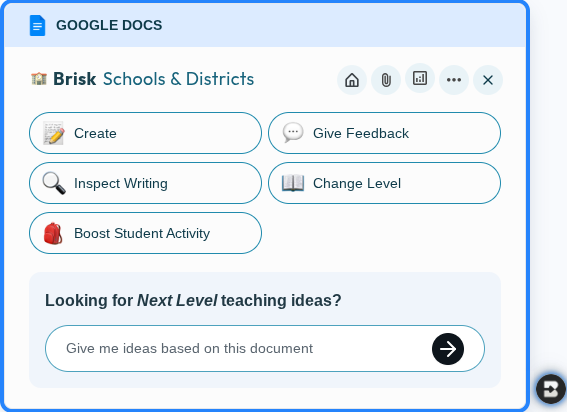
In my classroom, I have used Brisk to help generate writing prompts, scaffold assignments for different learning levels, and provide more targeted feedback to students. This has allowed me to spend more time focusing on instruction and student interaction rather than getting overwhelmed with preparation and grading.
I am excited to continue using this tool because it enhances both efficiency and creativity in teaching. For new teachers, especially those managing heavy workloads, this resource can be a game changer in maintaining balance while still delivering high-quality instruction.
3. Peer Observation and Classroom Visits
Type: Professional Practice / Professional Development
Focus: Collaboration, instructional growth, and real-world learning
Perhaps the most valuable resource I experienced during my first two years of teaching was the opportunity to observe other teachers in my grade level. Being able to step into another classroom and see different teaching styles, classroom management strategies, and instructional approaches in action provided insights that cannot be fully captured through books or trainings.
reminder that teaching is a collaborative profession, and we learn best from one another.


These observations gave me concrete ideas, engaging projects, and new instructional approaches that I was able to bring directly into my own classroom. More importantly, they helped shift my mindset as an educator. I began to see teaching as a craft that is constantly evolving, and I learned the value of adapting and refining my practice based on what works for students. Many of the structures, activities, and strategies I now use were inspired by what I saw in other classrooms and then modified to fit my own teaching style and student needs.
I strongly advocate for new teachers to seek out and request observation opportunities whenever possible. This experience had a direct and lasting impact on my growth as an educator and continues to influence my practice today. It is a powerful
Final Reflection
Each of these resources has contributed to my development in a different way by strengthening my classroom management, improving my instructional efficiency, and expanding my professional learning. I believe that when new teachers combine strong foundational practices, effective use of technology, and collaboration with peers, they are better equipped to support student success and sustain a long-term career in education.